Commercial Metal Roofing

Metal Roof Coating Tempe

Metal roofs need a condition-based coating plan. Rust bloom, open laps, moving panels, and failed flashing each call for a different preparation decision.

  • Panel MovementCheck fasteners, laps, and joints that shift as the roof moves.
  • Corrosion ControlSeparate surface rust from metal loss that needs repair before coating.
  • Leak TracingFollow water from seams and penetrations instead of covering the symptom.
  • Detail PreparationAddress pipe flashing, curbs, sealants, and exposed fastener heads.

Quick Facts

Roof Type
Commercial metal panels
Inspection Focus
Seams, fasteners, laps, and penetrations
Coating Gate
attached metal with repairable details
Action
Inspect before selecting a system
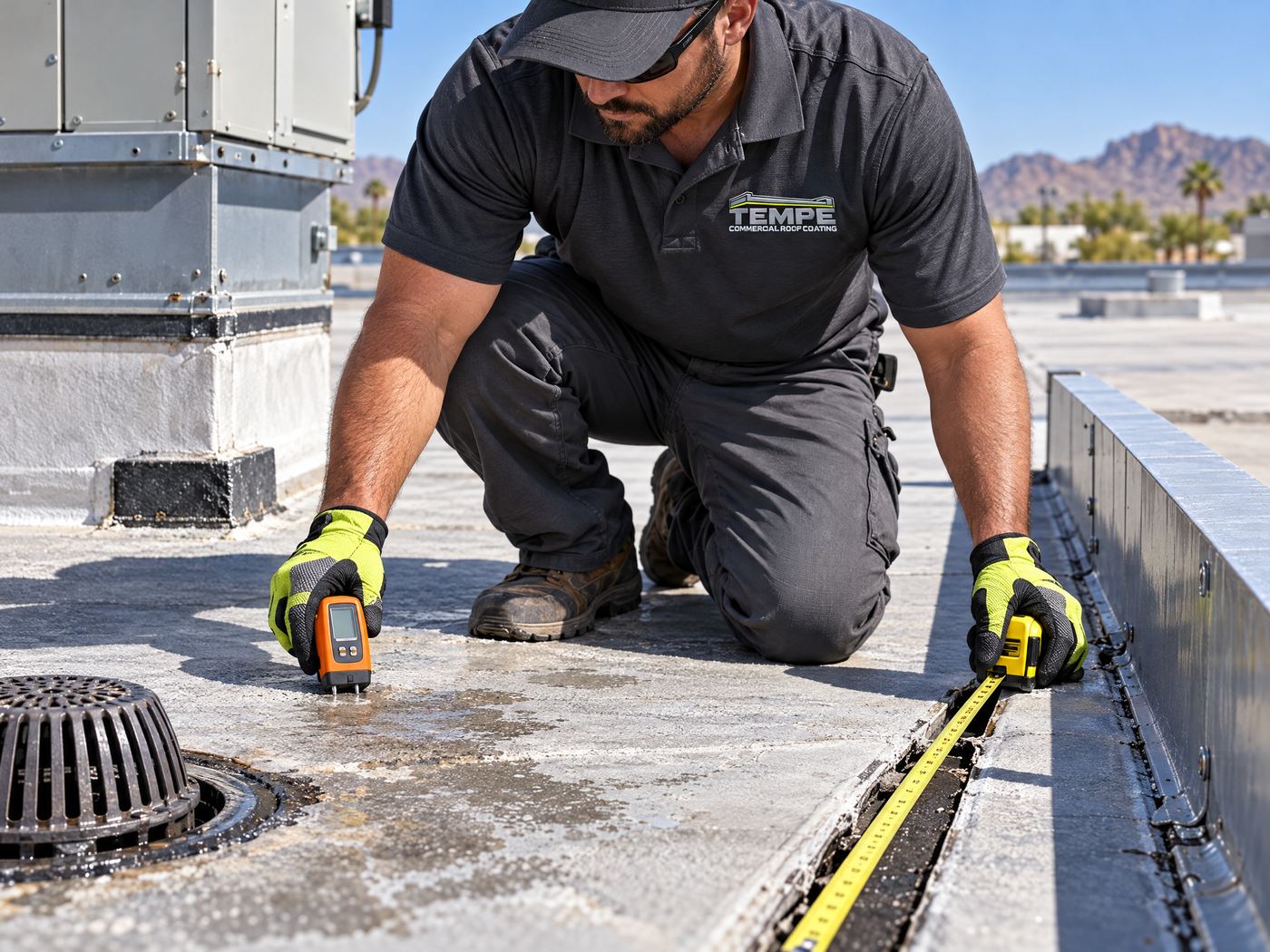
Commercial roof worker inspecting roof details in Tempe, Arizona
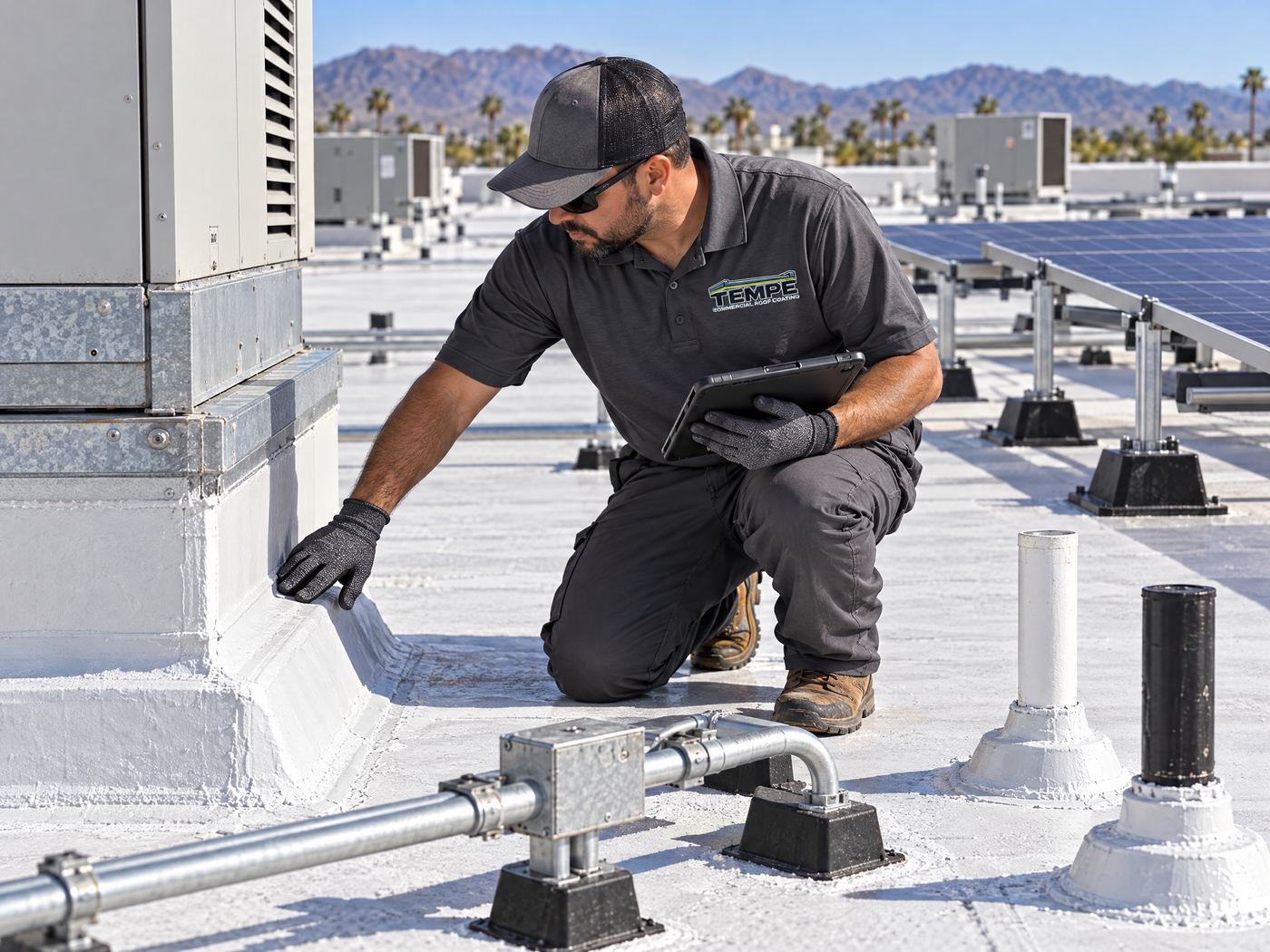
Commercial roof coating preparation around roof seams and flashing
Commercial roofing worker coordinating rooftop equipment access
Roof Facts

Metal Roof Details Set The Scope

A coating decision starts with the metal assembly, its movement, and the details that admit water or hold condensation.

  • SurfacePanel edges and laps
  • HardwareLoose or exposed fasteners
  • OpeningsPipe flashing and curbs
  • MoistureCondensation or active entry
Suitability Check

Coating-Ready Or Repair-First?

A metal roof can move toward coating when the panels and attachments can support the work. Areas with structural damage or wet materials need a separate decision.

Coating-Ready Conditions

  • Panel surfaces have corrosion that can be cleaned and primed.
  • Lap joints remain defined and can receive compatible seam treatment.
  • Fastener heads are secure enough for repair and sealing.
  • Pipe boots, curbs, and edge metal can be prepared without hiding defects.
  • Interior stains can be traced to roof details before the coating is applied.

Repair-First Conditions

  • Perforated panels or deep section loss need metal repair or replacement.
  • Loose panels move beyond what seam treatment can accommodate.
  • Wet insulation or deck damage requires investigation below the sheet metal.
  • Failed flashing at a curb or pipe creates an open water path.
  • Condensation from underside conditions needs a building-system response, rather than a leak patch.
Metal Roof Warning Signs

Metal Roof Signs That Need Attention

Use these visible conditions to sort routine monitoring from repair-first work and active water-entry concerns.

Watch

Rust Bloom At Panel Edges

Orange corrosion around cut edges or fastener heads should be mapped before cleaning and primer selection.

Repair First

Loose Fastener Rows

Raised washers, missing screws, and elongated holes can let panels shift and water reach the purlins.

Repair First

Open Panel Laps

A lap that has separated or lost sealant needs joint repair before the main coating covers the panel field.

Call Now

Failed Pipe Flashing

Cracked boots, open collars, and split sealant can send water below the roof sheet around a penetration.

Watch

Underside Condensation

Drips below a cool panel can come from interior humidity and air movement rather than a hole in the roof.

Call Now

Moving Curb Connections

HVAC curb movement can split flashing and coating at the perimeter, creating a leak path that needs detail work.

System Comparison

Commercial Roof Coating Options for Tempe

The roof substrate and repair boundary determine which approved service belongs in the conversation. The table keeps metal-panel work separate from other commercial roof assemblies.

ServiceBest FitMetal-Roof RelevancePreparation Focus
Metal Roof CoatingCommercial metal panelsSeams, fasteners, corrosion, and panel movementClean, repair, prime, and detail before coating
Silicone Roof CoatingCompatible low-slope roof surfacesConsider where a metal roof has an approved compatible systemConfirm adhesion, existing layers, and moisture conditions
Acrylic Roof CoatingCompatible prepared commercial surfacesReview metal movement, cure conditions, and primer needsPrepare seams, exposed metal, and detail transitions
Spray Foam RoofingDry substrates suited to foam applicationMetal-panel compatibility and overspray controls need reviewVerify dryness, access, thickness, and HVAC protection
Shingle Roof CoatingCommercial shingle assembliesSeparate service for shingle roofs, not exposed metal panelsInspect shingles, flashing, fasteners, and deck condition
Qualified Benefits

Benefits of Coating Your Roof

Coating can support a metal-roof restoration plan when repairs, preparation, and system compatibility are established first.

WarehousesIndustrial BuildingsOffice BuildingsMulti-Tenant Properties

Sealed Panel Details

Prepared seams, laps, and fastener heads receive a continuous treatment that follows the repair scope.

Corrosion Boundary

Mapped rust areas can be cleaned and addressed before a coating is applied across attached panel surfaces.

Movement-Aware Work

Panel movement, expansion joints, and curb connections stay visible in the scope instead of being treated as one flat surface.

Clearer Leak Decisions

Separating condensation from active water entry helps the facility team address roof penetrations and interior conditions correctly.

Active Water Entry

Rust Or Water At A Seam?

Talk through loose fasteners, open panel laps, failed flashing, or recurring interior stains before coating work is scoped.

+1 (623) 310-0178Call Us
Field Sequence

From Metal Inspection To Coating

The work sequence keeps repair boundaries visible, protects roof details, and matches the application method to the commercial building.

  1. Alpha

    1
    DAY 1

    Inspect Your Roof

    We trace rust bloom, panel movement, open laps, fastener rows, pipe flashing, HVAC curbs, and interior leak reports across each accessible roof section.

  2. Bravo

    2
    REPAIR

    Set The Repair Boundary

    Damaged panels, failed boots, elongated fastener holes, and wet materials are separated from surfaces that can receive preparation and coating.

  3. Charlie

    3
    PREP

    Prepare Metal And Details

    Cleaning, corrosion treatment, seam work, fastener sealing, and compatible primer follow the selected system and the condition of the roof sheet.

  4. Delta

    4
    COAT

    Apply The Coating

    The application method accounts for panel layout, wind exposure, nearby vehicles, air intakes, rooftop equipment, and the risk of overspray.

  5. Echo

    5
    REVIEW

    Check Seams And Penetrations

    We review coated panel fields, laps, fastener heads, pipe flashing, curbs, edges, and access paths so visible details match the planned scope.

Related Commercial Services

Other Roof Coating Services

A different substrate or roof history can call for another system. These services keep the material decision tied to the roof assembly.

Alpha

Low-Slope Surfaces

Silicone Roof Coating

Ponding rings, existing coating layers, and moisture conditions guide the preparation discussion for compatible low-slope roofs.

Explore Silicone Roof Coating

Bravo

Prepared Commercial Surfaces

Acrylic Roof Coating

Worn coating, exposed asphalt, seams, and detail fabric need a surface and weather review before a water-based system is selected.

Explore Acrylic Roof Coating

Charlie

System Selection

Commercial Roofing Services

Compare metal, silicone, acrylic, spray foam, and shingle roof services using panel laps, ponding rings, foam thickness, and shingle flashing.

Compare Commercial Roofing Services
Metal Roof Questions

Metal Roof Coating FAQs

Owners and facility managers ask about application methods, corrosion, panel movement, penetrations, and moisture. These answers keep the decision tied to the roof details.

How Do You Decide Between Spraying And Rolling The Coating?

The application method depends on the product, roof layout, and conditions around the building. Spraying can suit some open roof areas, while rolling or brushing can be appropriate for other locations. We also consider nearby vehicles, air intakes, equipment, and the risk of overspray. ReviewMetalRoofCoating.

Can A Rusty Metal Roof Be Coated?

A rusty metal roof can be coated when the corrosion is within a repairable surface condition. We map rust bloom, check for section loss and loose material, then set cleaning, repair, and primer requirements before the coating covers the panel field. ReviewMetalRoofCoating.

How Are Loose Fasteners Handled Before Coating?

Loose fasteners need attention before the coating is applied. We look for raised washers, missing screws, elongated holes, and movement around the fastener row, then determine which hardware or surrounding metal repairs belong in the scope. ReviewMetalRoofCoating.

Can Coating Stop A Leak At A Panel Lap?

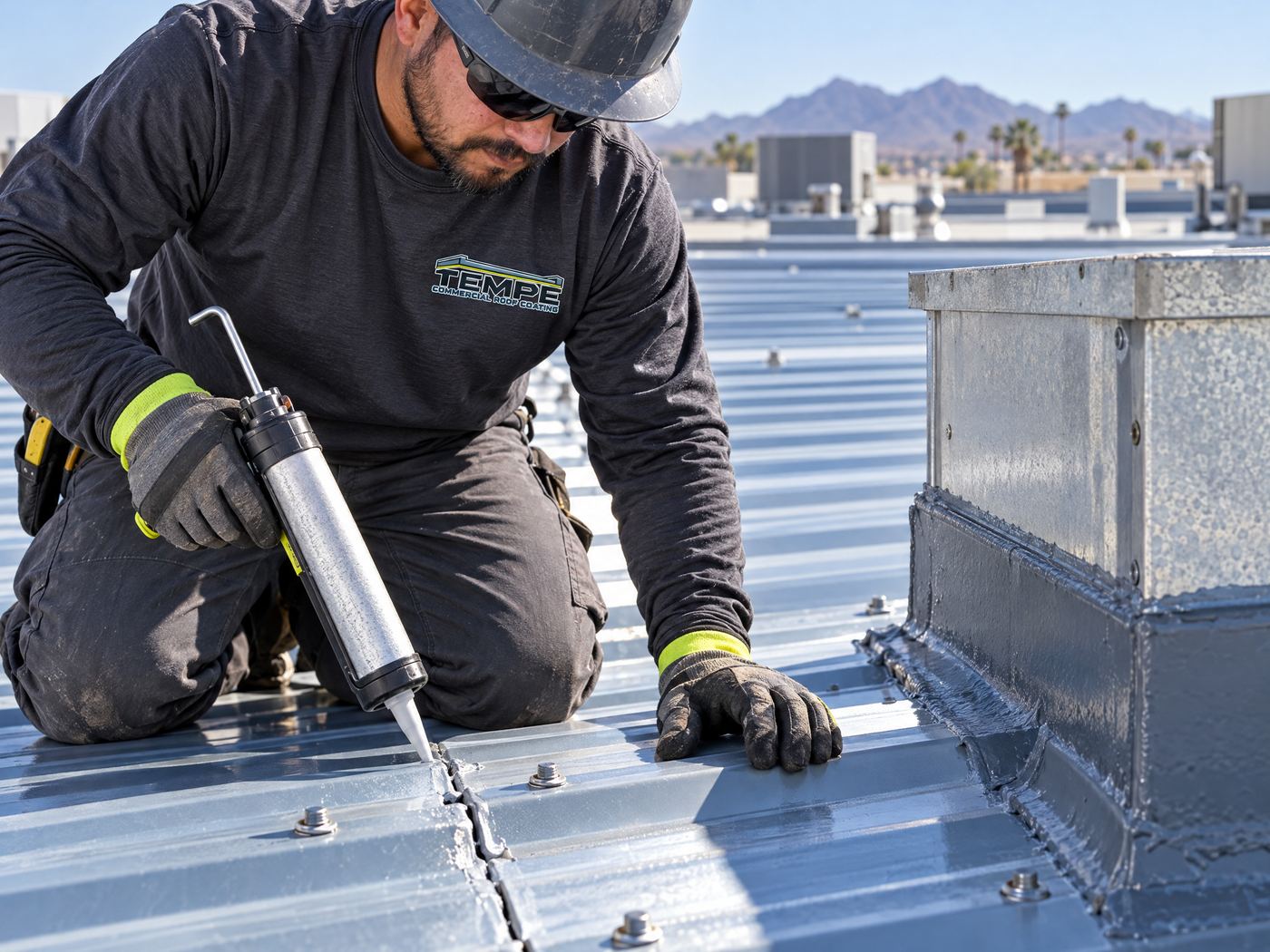
Coating can be part of a panel-lap repair after the joint is inspected and prepared. Open laps, failed sealant, and panel movement need direct treatment first because a broad coating layer does not replace a separated connection. ReviewMetalRoofCoating.

How Do You Tell Condensation From A Metal Roof Leak?

The distinction depends on where moisture appears, when it forms, and what the panel and interior conditions show. We inspect the roof side for penetrations and laps while considering underside humidity, insulation, air movement, and cold metal surfaces. ReviewMetalRoofCoating.

Can Penetrations And HVAC Curbs Be Coated?

Penetrations and HVAC curbs can be included after their flashing, sealant, and connections are checked. Damaged boots, split curb seams, and loose metal need compatible repair before the main coating is carried across the surrounding panel area. ReviewMetalRoofCoating.
Next Roof Decision

Plan Your Metal Roof Coating

Send the roof details you have, or call to discuss corrosion, seams, fasteners, movement, penetrations, and condensation concerns.

Commercial roof coating in TempeCall Us